




At ORY®, we believe you should know what’s in your products and why. This page lists the published research behind what we say about calendula extract. Each section starts with our claim, then tells you how well the research supports it, then lists the sources so you can read them yourself.
Please note: Some studies on this page tested calendula for wounds or for skin reactions during radiation therapy, which are medical uses. We share them for transparency. ORY® calendula products are cosmetics and are not intended to treat any condition.
How to read this page Supported — backed by peer-reviewed research or official safety reviews. Supported, with caveats — the research points this way, but mostly from laboratory or animal studies, or at different strengths than ORY® uses. Limited evidence — little or no published research yet. We say so openly. |
1. General Description and Role
Claim: Calendula (Calendula officinalis, pot marigold) is a traditional soothing botanical. Its petals contain triterpenoid esters, flavonoids, carotenoids, and polysaccharides. In ORY® products it helps skin feel calm, soft, and comfortable. |
Verification: Supported, with caveats. The Cosmetic Ingredient Review (CIR) Expert Panel found calendula-derived ingredients safe in cosmetics at reported use, and non-sensitizing in animal and clinical tests. Clinical research on calendula is mostly in wounds and radiation-related skin reactions, with mixed results.
Citations:
- Andersen, F. A., Bergfeld, W. F., Belsito, D. V., et al. (2010). Final report of the Cosmetic Ingredient Review Expert Panel amended safety assessment of Calendula officinalis-derived cosmetic ingredients. International Journal of Toxicology, 29(6 Suppl), 221S–243S. https://doi.org/10.1177/1091581810384883
- What it shows: CIR safety conclusion; non-sensitizing in clinical tests.
- Givol, O., Kornhaber, R., Visentin, D., Cleary, M., Haik, J., & Harats, M. (2019). A systematic review of Calendula officinalis extract for wound healing. Wound Repair and Regeneration, 27(5), 548–561. https://doi.org/10.1111/wrr.12737
- What it shows: Systematic review of calendula wound-healing studies (medical use).
- Andersen, F. A., Bergfeld, W. F., Belsito, D. V., et al. (2010). Final report of the Cosmetic Ingredient Review Expert Panel amended safety assessment of Calendula officinalis-derived cosmetic ingredients. International Journal of Toxicology, 29(6 Suppl), 221S–243S. https://doi.org/10.1177/1091581810384883
2. Composition and Production
Claim: Calendula extract is made from dried flower heads by oil infusion, glycerin or water maceration, CO₂ extraction, or alcohol tincture. Key compounds include faradiol esters, flavonoids, carotenoids, and polysaccharides. |
Verification: Supported. Composition is well documented.
Citations:
- Andersen, F. A., Bergfeld, W. F., Belsito, D. V., et al. (2010). Final report of the Cosmetic Ingredient Review Expert Panel amended safety assessment of Calendula officinalis-derived cosmetic ingredients. International Journal of Toxicology, 29(6 Suppl), 221S–243S. https://doi.org/10.1177/1091581810384883
- What it shows: Describes calendula-derived ingredients and their constituents.
- Andersen, F. A., Bergfeld, W. F., Belsito, D. V., et al. (2010). Final report of the Cosmetic Ingredient Review Expert Panel amended safety assessment of Calendula officinalis-derived cosmetic ingredients. International Journal of Toxicology, 29(6 Suppl), 221S–243S. https://doi.org/10.1177/1091581810384883
3. Skin Type Suitability
Claim: Calendula suits all seven ORY® skin types. Infused oils suit dry skin, and water or glycerin extracts suit oily and acne-prone skin. |
Verification: Supported. Calendula is well tolerated in cosmetic testing, though daisy-family allergy is possible.
Citations:
- Andersen, F. A., Bergfeld, W. F., Belsito, D. V., et al. (2010). Final report of the Cosmetic Ingredient Review Expert Panel amended safety assessment of Calendula officinalis-derived cosmetic ingredients. International Journal of Toxicology, 29(6 Suppl), 221S–243S. https://doi.org/10.1177/1091581810384883
- What it shows: Safety and tolerance.
- Paulsen, E. (2002). Contact sensitization from Compositae-containing herbal remedies and cosmetics. Contact Dermatitis, 47(4), 189–198. https://doi.org/10.1034/j.1600-0536.2002.470401.x
- What it shows: Contact allergy from daisy-family (Compositae) plants in cosmetics.
- Andersen, F. A., Bergfeld, W. F., Belsito, D. V., et al. (2010). Final report of the Cosmetic Ingredient Review Expert Panel amended safety assessment of Calendula officinalis-derived cosmetic ingredients. International Journal of Toxicology, 29(6 Suppl), 221S–243S. https://doi.org/10.1177/1091581810384883
4. Hair and Scalp Suitability
Claim: In haircare, calendula helps the scalp feel calm and comfortable, and infused oil conditions dry hair. |
Verification: Limited evidence. We found no clinical studies of calendula on the scalp or hair. ORY® haircare products are not intended to treat dandruff or scalp conditions.
Citations:
- Andersen, F. A., Bergfeld, W. F., Belsito, D. V., et al. (2010). Final report of the Cosmetic Ingredient Review Expert Panel amended safety assessment of Calendula officinalis-derived cosmetic ingredients. International Journal of Toxicology, 29(6 Suppl), 221S–243S. https://doi.org/10.1177/1091581810384883
- What it shows: Confirms cosmetic use; no scalp trials.
- Andersen, F. A., Bergfeld, W. F., Belsito, D. V., et al. (2010). Final report of the Cosmetic Ingredient Review Expert Panel amended safety assessment of Calendula officinalis-derived cosmetic ingredients. International Journal of Toxicology, 29(6 Suppl), 221S–243S. https://doi.org/10.1177/1091581810384883
5. Benefits
Claim: Calendula helps skin feel soothed and comfortable, helps dry skin feel softer, and provides antioxidant support. |
Verification: Supported, with caveats. In a phase III trial of 254 women receiving breast radiation, calendula ointment led to fewer moderate-to-severe skin reactions than trolamine (41% vs 63%). A later blinded trial of 411 women found no difference between calendula cream and a plain aqueous cream. A systematic review found wound-healing evidence, mostly preclinical. These are medical uses; ORY® does not claim them.
Citations:
- Pommier, P., Gomez, F., Sunyach, M. P., D’Hombres, A., Carrie, C., & Montbarbon, X. (2004). Phase III randomized trial of Calendula officinalis compared with trolamine for the prevention of acute dermatitis during irradiation for breast cancer. Journal of Clinical Oncology, 22(8), 1447–1453. https://doi.org/10.1200/JCO.2004.07.063
- What it shows: Phase III radiation-dermatitis trial favoring calendula.
- Sharp, L., Finnilä, K., Johansson, H., Abrahamsson, M., Hatschek, T., & Bergenmar, M. (2013). No differences between Calendula cream and aqueous cream in the prevention of acute radiation skin reactions – Results from a randomised blinded trial. European Journal of Oncology Nursing, 17(4), 429–435. https://doi.org/10.1016/j.ejon.2012.11.003
- What it shows: Later trial finding no difference versus aqueous cream.
- Givol, O., Kornhaber, R., Visentin, D., Cleary, M., Haik, J., & Harats, M. (2019). A systematic review of Calendula officinalis extract for wound healing. Wound Repair and Regeneration, 27(5), 548–561. https://doi.org/10.1111/wrr.12737
- What it shows: Systematic review of wound-healing evidence.
- Pommier, P., Gomez, F., Sunyach, M. P., D’Hombres, A., Carrie, C., & Montbarbon, X. (2004). Phase III randomized trial of Calendula officinalis compared with trolamine for the prevention of acute dermatitis during irradiation for breast cancer. Journal of Clinical Oncology, 22(8), 1447–1453. https://doi.org/10.1200/JCO.2004.07.063
6. Use Across ORY® Product Lines
Claim: Calendula is used in all four ORY® product lines as an oil infusion, extract, or dried petals. |
Verification: Supported, with caveats. Calendula is added for skin comfort, not for color. FDA requires any ingredient used to color a cosmetic to be an approved color additive, and calendula is not on that list. We found no data on how much of calendula’s active compounds survive soapmaking.
| Product line | Typical level | How ORY® uses it |
| Skincare | 1–5% extract; 5–20% infused oil | Balms, creams, cleansers, serums, and face oils. |
| Haircare | 0.5–3% extract; 2–10% infused oil | Shampoos, conditioners, and scalp oils. |
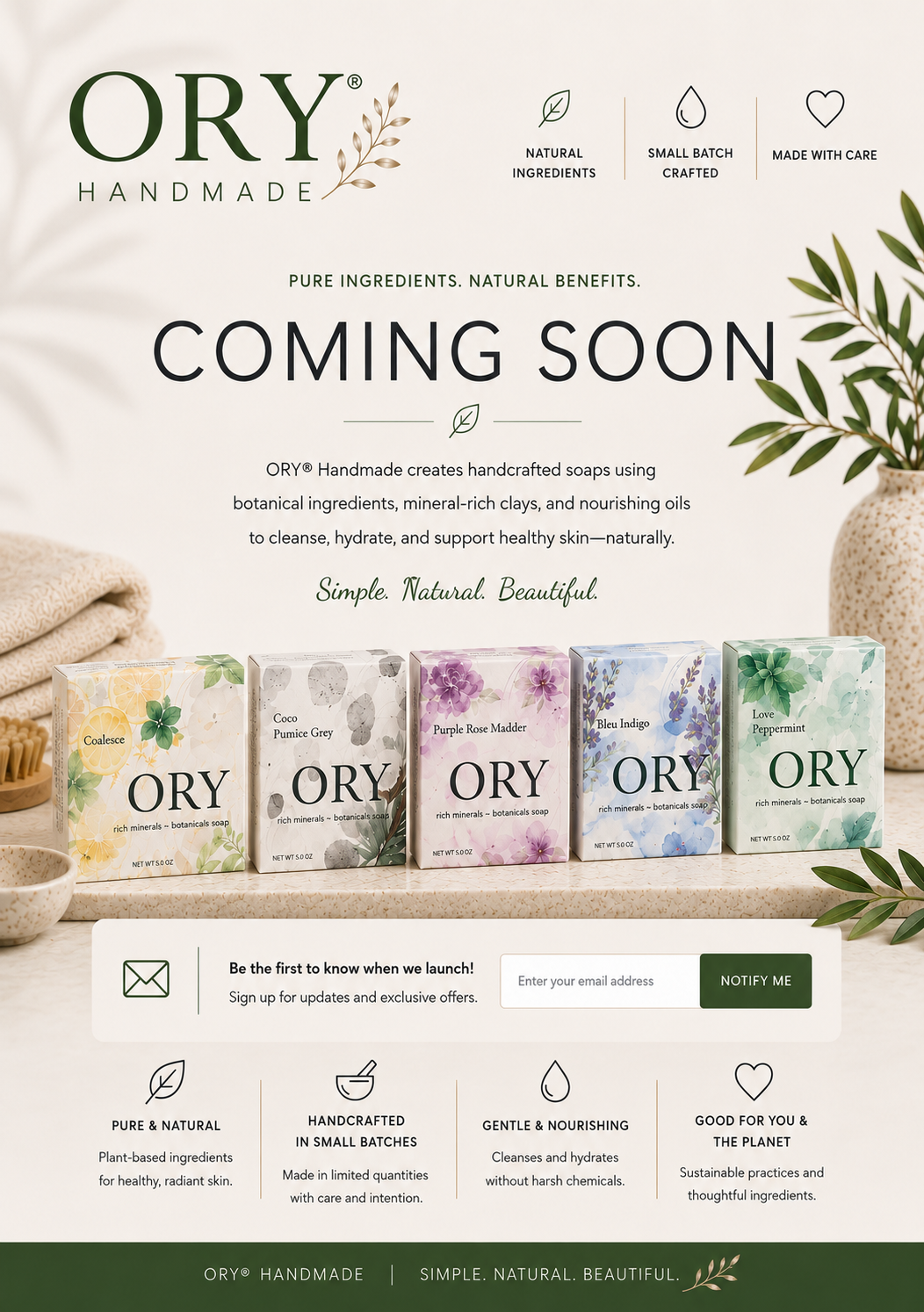
| Handmade Soap | 10–30% of oils as infusion | Calendula-infused oil in the recipe. |
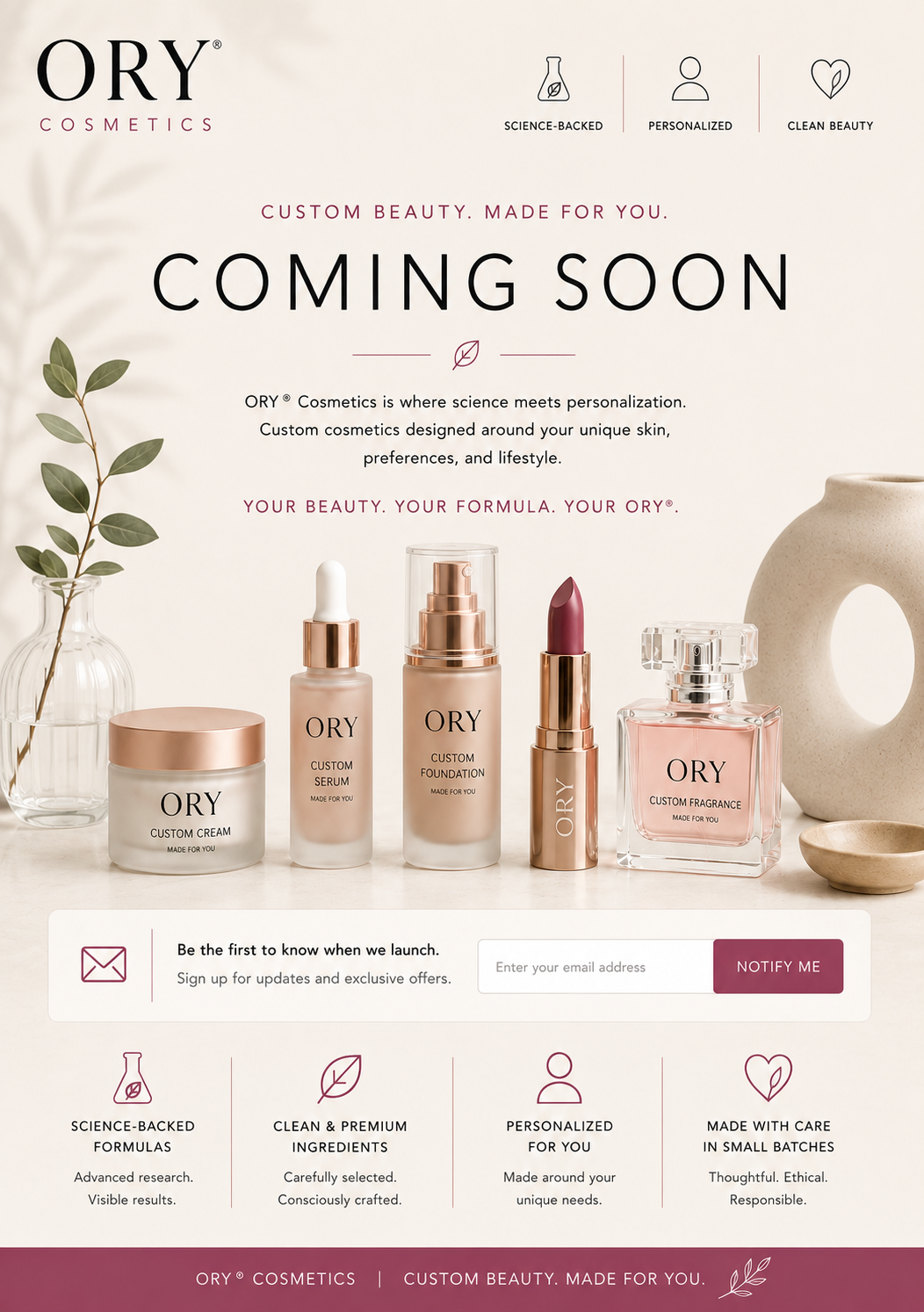
| Cosmetics | 0.5–3% | Foundations, lip balms, and cuticle treatments. |
Citations:
- U.S. Food and Drug Administration. Color Additives and Cosmetics: Fact Sheet; 21 CFR 70.3(g) and Part 73, Subpart C (color additives permitted in cosmetics). https://www.fda.gov/industry/color-additives/color-additives-and-cosmetics-fact-sheet
- What it shows: FDA color additive rules.
- U.S. Food and Drug Administration. Is It a Cosmetic, a Drug, or Both? (Or Is It Soap?) https://www.fda.gov/cosmetics/cosmetics-laws-regulations/it-cosmetic-drug-or-both-or-it-soap
- What it shows: FDA explains how soap is regulated.
- U.S. Food and Drug Administration. Color Additives and Cosmetics: Fact Sheet; 21 CFR 70.3(g) and Part 73, Subpart C (color additives permitted in cosmetics). https://www.fda.gov/industry/color-additives/color-additives-and-cosmetics-fact-sheet
7. Pros
Claim: Gentle, well studied, available in several forms, and affordable. |
Verification: Supported. Supported by the CIR review and clinical literature.
Citations:
- Andersen, F. A., Bergfeld, W. F., Belsito, D. V., et al. (2010). Final report of the Cosmetic Ingredient Review Expert Panel amended safety assessment of Calendula officinalis-derived cosmetic ingredients. International Journal of Toxicology, 29(6 Suppl), 221S–243S. https://doi.org/10.1177/1091581810384883
- What it shows: Safety.
- Andersen, F. A., Bergfeld, W. F., Belsito, D. V., et al. (2010). Final report of the Cosmetic Ingredient Review Expert Panel amended safety assessment of Calendula officinalis-derived cosmetic ingredients. International Journal of Toxicology, 29(6 Suppl), 221S–243S. https://doi.org/10.1177/1091581810384883
8. Cons
Claim: Calendula can trigger daisy-family allergy, potency varies, it can tint formulas orange, and infused oils can go rancid. |
Verification: Supported. We list these limits so you have the full picture:
- Allergy. Daisy-family plants can cause contact allergy.
- Variable potency. Depends on flower quality and method.
- Mixed clinical results. Trials in radiation skin reactions disagree.
- Rancidity. Infused oils need antioxidants.
Citations:
- Paulsen, E. (2002). Contact sensitization from Compositae-containing herbal remedies and cosmetics. Contact Dermatitis, 47(4), 189–198. https://doi.org/10.1034/j.1600-0536.2002.470401.x
- What it shows: Contact allergy data.
- Sharp, L., Finnilä, K., Johansson, H., Abrahamsson, M., Hatschek, T., & Bergenmar, M. (2013). No differences between Calendula cream and aqueous cream in the prevention of acute radiation skin reactions – Results from a randomised blinded trial. European Journal of Oncology Nursing, 17(4), 429–435. https://doi.org/10.1016/j.ejon.2012.11.003
- What it shows: Mixed clinical evidence.
- Paulsen, E. (2002). Contact sensitization from Compositae-containing herbal remedies and cosmetics. Contact Dermatitis, 47(4), 189–198. https://doi.org/10.1034/j.1600-0536.2002.470401.x
9. Safety Notes
Claim: Patch test before use; for external use only. |
Verification: Supported. Follow these precautions:
- Patch test any new product on a small area for 24–48 hours before full use.
- If you are allergic to ragweed, chamomile, daisies, or other plants in the daisy (Asteraceae) family, patch test carefully or avoid this product.
- Stop use if redness, burning, itching, or rash occurs, and talk to a healthcare provider.
- For external use only. Avoid the eyes. Do not use on broken or seriously damaged skin.
- If you are pregnant, nursing, have a medical condition, or are buying for a child, ask a healthcare provider before use.
Citations:
- Andersen, F. A., Bergfeld, W. F., Belsito, D. V., et al. (2010). Final report of the Cosmetic Ingredient Review Expert Panel amended safety assessment of Calendula officinalis-derived cosmetic ingredients. International Journal of Toxicology, 29(6 Suppl), 221S–243S. https://doi.org/10.1177/1091581810384883
- What it shows: Safety data reviewed by the CIR.
- Andersen, F. A., Bergfeld, W. F., Belsito, D. V., et al. (2010). Final report of the Cosmetic Ingredient Review Expert Panel amended safety assessment of Calendula officinalis-derived cosmetic ingredients. International Journal of Toxicology, 29(6 Suppl), 221S–243S. https://doi.org/10.1177/1091581810384883
10. Product-line notes
- ORY® Skincare: For external use only. Not for deep or puncture wounds, animal bites, or serious burns.
- ORY® Haircare: Designed for scalp comfort and the look and feel of hair. Not intended to treat dandruff or scalp conditions, or to promote hair growth or prevent hair loss. If you notice sudden shedding or a persistent itchy, flaking scalp, see a dermatologist.
- ORY® Handmade Soap: Handmade soap is naturally alkaline, and each bar may vary slightly in color, scent, and texture. Not intended to treat eczema or any skin condition.
- ORY® Cosmetics: Lip products are not intended to treat or protect chapped or cracked lips. Do not share applicators, and replace any product that changes color, smell, or texture.
11. References
Peer-reviewed research
- Andersen, F. A., Bergfeld, W. F., Belsito, D. V., et al. (2010). Final report of the Cosmetic Ingredient Review Expert Panel amended safety assessment of Calendula officinalis-derived cosmetic ingredients. International Journal of Toxicology, 29(6 Suppl), 221S–243S. https://doi.org/10.1177/1091581810384883
- Givol, O., Kornhaber, R., Visentin, D., Cleary, M., Haik, J., & Harats, M. (2019). A systematic review of Calendula officinalis extract for wound healing. Wound Repair and Regeneration, 27(5), 548–561. https://doi.org/10.1111/wrr.12737
- Paulsen, E. (2002). Contact sensitization from Compositae-containing herbal remedies and cosmetics. Contact Dermatitis, 47(4), 189–198. https://doi.org/10.1034/j.1600-0536.2002.470401.x
- Pommier, P., Gomez, F., Sunyach, M. P., D’Hombres, A., Carrie, C., & Montbarbon, X. (2004). Phase III randomized trial of Calendula officinalis compared with trolamine for the prevention of acute dermatitis during irradiation for breast cancer. Journal of Clinical Oncology, 22(8), 1447–1453. https://doi.org/10.1200/JCO.2004.07.063
- Sharp, L., Finnilä, K., Johansson, H., Abrahamsson, M., Hatschek, T., & Bergenmar, M. (2013). No differences between Calendula cream and aqueous cream in the prevention of acute radiation skin reactions – Results from a randomised blinded trial. European Journal of Oncology Nursing, 17(4), 429–435. https://doi.org/10.1016/j.ejon.2012.11.003
Government and regulatory sources
- U.S. Food and Drug Administration. Color Additives and Cosmetics: Fact Sheet; 21 CFR 70.3(g) and Part 73, Subpart C (color additives permitted in cosmetics). https://www.fda.gov/industry/color-additives/color-additives-and-cosmetics-fact-sheet
- U.S. Food and Drug Administration. Is It a Cosmetic, a Drug, or Both? (Or Is It Soap?) https://www.fda.gov/cosmetics/cosmetics-laws-regulations/it-cosmetic-drug-or-both-or-it-soap
