

At ORY®, we believe you should know what’s in your products and why. This page lists the published research behind what we say about lemon peel extract. Each section starts with our claim, then tells you how well the research supports it, then lists the sources so you can read them yourself.
How to read this page Supported — backed by peer-reviewed research or official safety reviews. Supported, with caveats — the research points this way, but mostly from laboratory or animal studies, or at different strengths than ORY® uses. Limited evidence — little or no published research yet. We say so openly. |
1. General Description and Role
Claim: Lemon peel extract comes from the zest of Citrus limon. It contains flavonoids such as hesperidin and eriocitrin, plus vitamin C. In ORY® products, it provides antioxidant support and helps skin look brighter and fresher. |
Verification: Supported, with caveats. The CIR Expert Panel concluded that citrus peel-derived ingredients, including lemon peel extract, are safe in cosmetics at reported use levels when formulated to be non-sensitizing and non-irritating, provided leave-on products contain no more than 15 ppm of the phototoxic compound bergapten (5-MOP).
Citations:
- Cosmetic Ingredient Review Expert Panel. (2021). Safety assessment of Citrus peel-derived ingredients as used in cosmetics. International Journal of Toxicology. https://doi.org/10.1177/10915818211032617
- What it shows: CIR safety assessment of citrus peel ingredients.
- Klimek-Szczykutowicz, M., Szopa, A., & Ekiert, H. (2020). Citrus limon (lemon) phenomenon—A review of the chemistry, pharmacological properties, applications in the modern pharmaceutical, food, and cosmetics industries, and biotechnological studies. Plants, 9(1), 119. https://doi.org/10.3390/plants9010119
- What it shows: Review of lemon chemistry and uses.
- Cosmetic Ingredient Review Expert Panel. (2021). Safety assessment of Citrus peel-derived ingredients as used in cosmetics. International Journal of Toxicology. https://doi.org/10.1177/10915818211032617
2. Composition and Production
Claim: Lemon peel extract is made from dried zest with water, glycerin, or alcohol. Cold-pressed lemon peel oil is a separate ingredient that contains phototoxic furanocoumarins. |
Verification: Supported. Lemon chemistry is well documented. In animal tests, bergapten and oxypeucedanin accounted for nearly all of lemon oil’s phototoxicity.
Citations:
- Klimek-Szczykutowicz, M., Szopa, A., & Ekiert, H. (2020). Citrus limon (lemon) phenomenon—A review of the chemistry, pharmacological properties, applications in the modern pharmaceutical, food, and cosmetics industries, and biotechnological studies. Plants, 9(1), 119. https://doi.org/10.3390/plants9010119
- What it shows: Describes lemon compounds.
- Naganuma, M., Hirose, S., Nakayama, Y., Nakajima, K., & Someya, T. (1985). A study of the phototoxicity of lemon oil. Archives of Dermatological Research, 278(1), 31–36. https://doi.org/10.1007/BF00412492
- What it shows: Phototoxicity study of lemon oil.
- Klimek-Szczykutowicz, M., Szopa, A., & Ekiert, H. (2020). Citrus limon (lemon) phenomenon—A review of the chemistry, pharmacological properties, applications in the modern pharmaceutical, food, and cosmetics industries, and biotechnological studies. Plants, 9(1), 119. https://doi.org/10.3390/plants9010119
3. Skin Type Suitability
Claim: Lemon peel extract suits oily, combination, and normal skin. Dry and sensitive skin should use it with care. |
Verification: Supported, with caveats. Limonene and citral are recognized fragrance allergens, and oxidized limonene is a stronger allergen. CIR’s conclusion depends on formulating to avoid irritation and sensitization.
Citations:
- de Groot, A. C. (2020). Fragrances: Contact allergy and other adverse effects. Dermatitis, 31(1), 13–35. https://doi.org/10.1097/DER.0000000000000463
- What it shows: Review of fragrance allergy.
- Cosmetic Ingredient Review Expert Panel. (2021). Safety assessment of Citrus peel-derived ingredients as used in cosmetics. International Journal of Toxicology. https://doi.org/10.1177/10915818211032617
- What it shows: Safety conclusion.
- de Groot, A. C. (2020). Fragrances: Contact allergy and other adverse effects. Dermatitis, 31(1), 13–35. https://doi.org/10.1097/DER.0000000000000463
4. Hair and Scalp Suitability
Claim: In haircare, lemon peel extract helps the scalp feel clean and fresh and hair look shiny. |
Verification: Limited evidence. We found no clinical studies of lemon peel extract on hair. ORY® haircare products are not intended to treat dandruff or scalp conditions.
Citations:
- Klimek-Szczykutowicz, M., Szopa, A., & Ekiert, H. (2020). Citrus limon (lemon) phenomenon—A review of the chemistry, pharmacological properties, applications in the modern pharmaceutical, food, and cosmetics industries, and biotechnological studies. Plants, 9(1), 119. https://doi.org/10.3390/plants9010119
- What it shows: General review.
- Klimek-Szczykutowicz, M., Szopa, A., & Ekiert, H. (2020). Citrus limon (lemon) phenomenon—A review of the chemistry, pharmacological properties, applications in the modern pharmaceutical, food, and cosmetics industries, and biotechnological studies. Plants, 9(1), 119. https://doi.org/10.3390/plants9010119
5. Benefits
Claim: Lemon peel extract provides antioxidant support and helps skin look brighter and fresher. |
Verification: Supported, with caveats. Hesperidin has shown skin barrier and pigment-related effects mainly in lab and animal studies. In one study, people who took a citrus and rosemary extract by mouth burned less easily, but that was not a topical study. ORY® lemon products are not sunscreens and do not claim sun protection.
Citations:
- Man, M. Q., Yang, B., & Elias, P. M. (2019). Benefits of hesperidin for cutaneous functions. Evidence-Based Complementary and Alternative Medicine, 2019, 2676307. https://doi.org/10.1155/2019/2676307
- What it shows: Review of hesperidin and skin.
- Pérez-Sánchez, A., et al. (2014). Protective effects of citrus and rosemary extracts on UV-induced damage in skin cell model and human volunteers. Journal of Photochemistry and Photobiology B: Biology, 136, 12–18. https://pubmed.ncbi.nlm.nih.gov/24815058/
- What it shows: Lab and oral human study.
- U.S. Food and Drug Administration. (2019, February 26). Sunscreen drug products for over-the-counter human use (proposed rule), 84 FR 6204. https://www.federalregister.gov/documents/2019/02/26/2019-03019/sunscreen-drug-products-for-over-the-counter-human-use
- What it shows: FDA regulates sun-protection claims as sunscreen drugs.
- Man, M. Q., Yang, B., & Elias, P. M. (2019). Benefits of hesperidin for cutaneous functions. Evidence-Based Complementary and Alternative Medicine, 2019, 2676307. https://doi.org/10.1155/2019/2676307
6. Use Across ORY® Product Lines
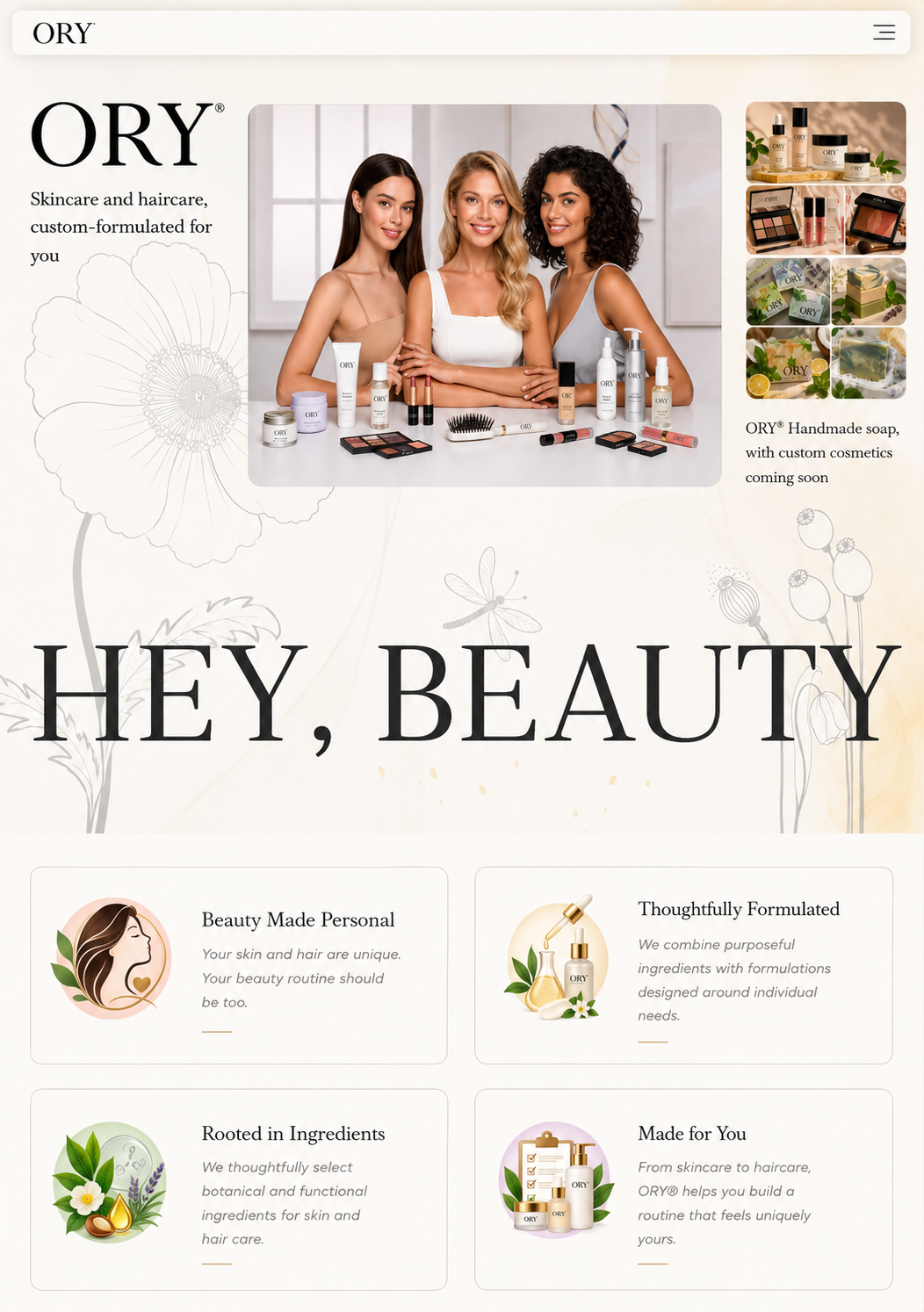
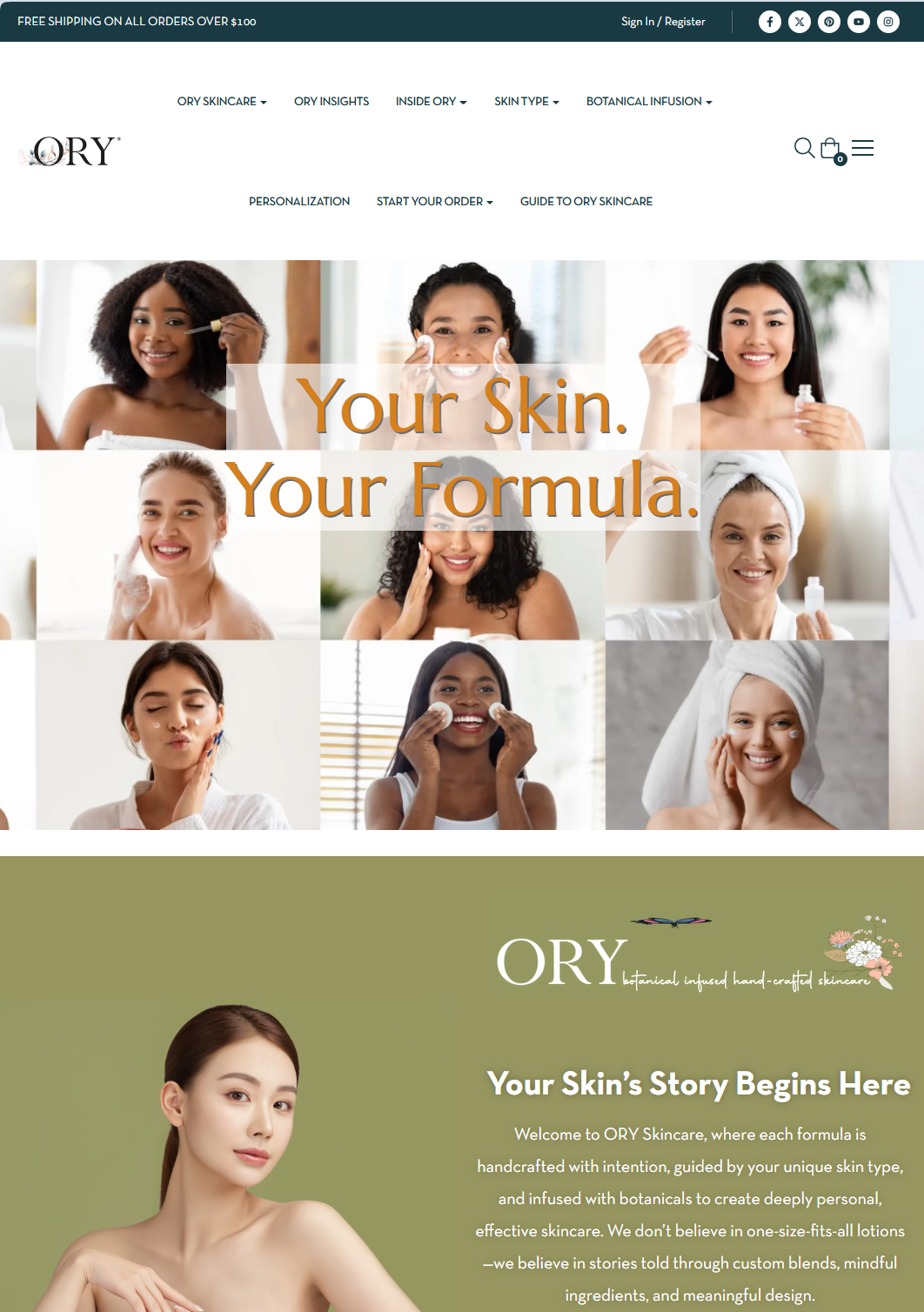
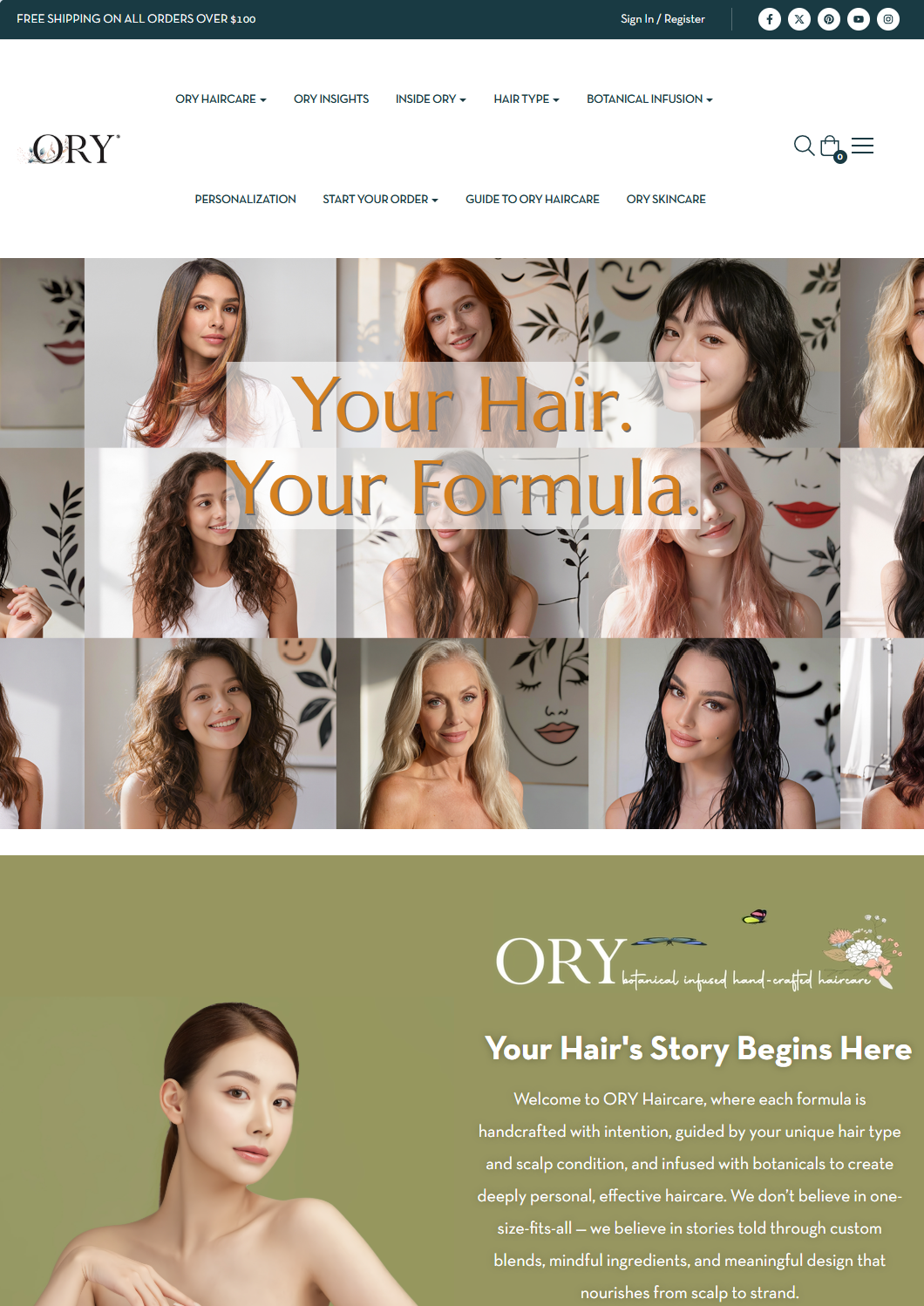
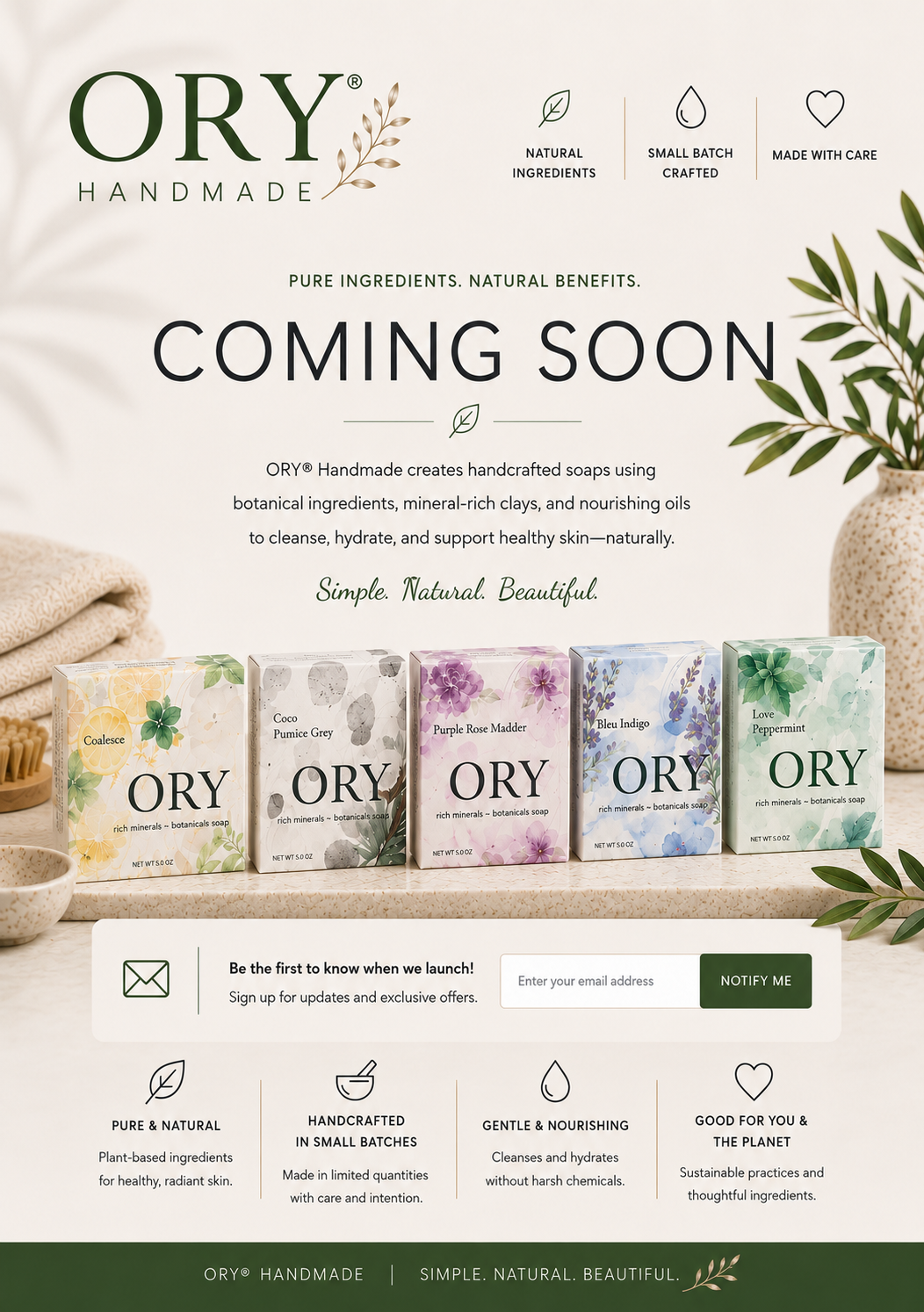
Claim: Lemon peel is used in all four ORY® product lines, with the form chosen for each. |
Verification: Supported, with caveats. Leave-on products use only extract within the levels CIR reviewed (reported up to 0.14% for lemon peel extract) and within CIR’s bergapten limit. Cold-pressed lemon oil is used only in rinse-off soap; in leave-on products, IFRA limits it because of phototoxicity. Lemon peel is not an FDA-approved color additive for cosmetics.
| Product line | Typical level | How ORY® uses it |
| Skincare | Within CIR-reviewed levels | Toners, serums, masks, and cleansers (furanocoumarin-free extract). |
| Haircare | Within CIR-reviewed levels | Clarifying shampoos, scalp rinses, and shine sprays. |
| Handmade Soap | 1–2 tsp peel powder per lb; 1–2% cold-pressed oil | Peel powder for texture; oil for scent (rinse-off). |
| Cosmetics | Within CIR-reviewed levels | Primers and foundations. |
Citations:
- Cosmetic Ingredient Review Expert Panel. (2021). Safety assessment of Citrus peel-derived ingredients as used in cosmetics. International Journal of Toxicology. https://doi.org/10.1177/10915818211032617
- What it shows: CIR conclusion and reported use levels.
- Cosmetic Ingredient Review Expert Panel. (2019). Safety assessment of Citrus-derived peel oils as used in cosmetics. International Journal of Toxicology. https://doi.org/10.1177/1091581819862504
- What it shows: CIR assessment of citrus peel oils.
- International Fragrance Association (IFRA). IFRA Standard: Lemon oil cold pressed (Amendment 49) — limits in leave-on products because of phototoxicity. https://d3t14p1xronwr0.cloudfront.net/docs/standards/IFRA_STD_092.pdf
- What it shows: IFRA limit for cold-pressed lemon oil.
- U.S. Food and Drug Administration. Color Additives and Cosmetics: Fact Sheet; 21 CFR 70.3(g) and Part 73, Subpart C (color additives permitted in cosmetics). https://www.fda.gov/industry/color-additives/color-additives-and-cosmetics-fact-sheet
- What it shows: FDA color additive rules.
- U.S. Food and Drug Administration. Is It a Cosmetic, a Drug, or Both? (Or Is It Soap?) https://www.fda.gov/cosmetics/cosmetics-laws-regulations/it-cosmetic-drug-or-both-or-it-soap
- What it shows: FDA explains how soap is regulated.
- Cosmetic Ingredient Review Expert Panel. (2021). Safety assessment of Citrus peel-derived ingredients as used in cosmetics. International Journal of Toxicology. https://doi.org/10.1177/10915818211032617
7. Pros
Claim: An antioxidant-rich citrus ingredient with a CIR safety conclusion. |
Verification: Supported, with caveats. Supported mainly by lab studies and reviews.
Citations:
- Klimek-Szczykutowicz, M., Szopa, A., & Ekiert, H. (2020). Citrus limon (lemon) phenomenon—A review of the chemistry, pharmacological properties, applications in the modern pharmaceutical, food, and cosmetics industries, and biotechnological studies. Plants, 9(1), 119. https://doi.org/10.3390/plants9010119
- What it shows: Review.
- Cosmetic Ingredient Review Expert Panel. (2021). Safety assessment of Citrus peel-derived ingredients as used in cosmetics. International Journal of Toxicology. https://doi.org/10.1177/10915818211032617
- What it shows: Safety conclusion.
- Klimek-Szczykutowicz, M., Szopa, A., & Ekiert, H. (2020). Citrus limon (lemon) phenomenon—A review of the chemistry, pharmacological properties, applications in the modern pharmaceutical, food, and cosmetics industries, and biotechnological studies. Plants, 9(1), 119. https://doi.org/10.3390/plants9010119
8. Cons
Claim: Lemon oil can cause sun reactions, lemon compounds can irritate or sensitize, and skin trials are few. |
Verification: Supported. We list these limits so you have the full picture:
- Phototoxicity. Cold-pressed lemon oil can cause burns or dark marks in sunlight.
- Fragrance allergens. Limonene and citral can sensitize, especially when oxidized.
- Irritation. Can sting dry or sensitive skin.
- Limited trials. Most evidence is on isolated flavonoids.
- Do not use raw lemon juice on skin.
Citations:
- Naganuma, M., Hirose, S., Nakayama, Y., Nakajima, K., & Someya, T. (1985). A study of the phototoxicity of lemon oil. Archives of Dermatological Research, 278(1), 31–36. https://doi.org/10.1007/BF00412492
- What it shows: Phototoxicity.
- de Groot, A. C. (2020). Fragrances: Contact allergy and other adverse effects. Dermatitis, 31(1), 13–35. https://doi.org/10.1097/DER.0000000000000463
- What it shows: Fragrance allergy.
- Naganuma, M., Hirose, S., Nakayama, Y., Nakajima, K., & Someya, T. (1985). A study of the phototoxicity of lemon oil. Archives of Dermatological Research, 278(1), 31–36. https://doi.org/10.1007/BF00412492
9. Safety Notes
Claim: Patch test before use; for external use only. |
Verification: Supported. Follow these precautions:
- Patch test any new product on a small area for 24–48 hours before full use.
- Use sunscreen daily and avoid sun on skin where lemon products were used.
- If you are allergic to fragrance or citrus, patch test carefully or avoid this product.
- Stop use if redness, burning, itching, or rash occurs, and talk to a healthcare provider.
- For external use only. Avoid the eyes. Do not use on broken or seriously damaged skin.
- If you are pregnant, nursing, have a medical condition, or are buying for a child, ask a healthcare provider before use.
Citations:
- Naganuma, M., Hirose, S., Nakayama, Y., Nakajima, K., & Someya, T. (1985). A study of the phototoxicity of lemon oil. Archives of Dermatological Research, 278(1), 31–36. https://doi.org/10.1007/BF00412492
- What it shows: Phototoxicity.
- de Groot, A. C. (2020). Fragrances: Contact allergy and other adverse effects. Dermatitis, 31(1), 13–35. https://doi.org/10.1097/DER.0000000000000463
- What it shows: Fragrance allergy.
- Naganuma, M., Hirose, S., Nakayama, Y., Nakajima, K., & Someya, T. (1985). A study of the phototoxicity of lemon oil. Archives of Dermatological Research, 278(1), 31–36. https://doi.org/10.1007/BF00412492
10. Product-line notes
- ORY® Skincare: For external use only. Not for deep or puncture wounds, animal bites, or serious burns.
- ORY® Haircare: Designed for scalp comfort and the look and feel of hair. Not intended to treat dandruff or scalp conditions, or to promote hair growth or prevent hair loss. If you notice sudden shedding or a persistent itchy, flaking scalp, see a dermatologist.
- ORY® Handmade Soap: Handmade soap is naturally alkaline, and each bar may vary slightly in color, scent, and texture. Not intended to treat eczema or any skin condition.
- ORY® Cosmetics: Lip products are not intended to treat or protect chapped or cracked lips. Do not share applicators, and replace any product that changes color, smell, or texture.
11. References
Peer-reviewed research
- Cosmetic Ingredient Review Expert Panel. (2019). Safety assessment of Citrus-derived peel oils as used in cosmetics. International Journal of Toxicology. https://doi.org/10.1177/1091581819862504
- Cosmetic Ingredient Review Expert Panel. (2021). Safety assessment of Citrus peel-derived ingredients as used in cosmetics. International Journal of Toxicology. https://doi.org/10.1177/10915818211032617
- de Groot, A. C. (2020). Fragrances: Contact allergy and other adverse effects. Dermatitis, 31(1), 13–35. https://doi.org/10.1097/DER.0000000000000463
- Klimek-Szczykutowicz, M., Szopa, A., & Ekiert, H. (2020). Citrus limon (lemon) phenomenon—A review of the chemistry, pharmacological properties, applications in the modern pharmaceutical, food, and cosmetics industries, and biotechnological studies. Plants, 9(1), 119. https://doi.org/10.3390/plants9010119
- Man, M. Q., Yang, B., & Elias, P. M. (2019). Benefits of hesperidin for cutaneous functions. Evidence-Based Complementary and Alternative Medicine, 2019, 2676307. https://doi.org/10.1155/2019/2676307
- Naganuma, M., Hirose, S., Nakayama, Y., Nakajima, K., & Someya, T. (1985). A study of the phototoxicity of lemon oil. Archives of Dermatological Research, 278(1), 31–36. https://doi.org/10.1007/BF00412492
- Pérez-Sánchez, A., et al. (2014). Protective effects of citrus and rosemary extracts on UV-induced damage in skin cell model and human volunteers. Journal of Photochemistry and Photobiology B: Biology, 136, 12–18. https://pubmed.ncbi.nlm.nih.gov/24815058/
Government and regulatory sources
- U.S. Food and Drug Administration. (2019, February 26). Sunscreen drug products for over-the-counter human use (proposed rule), 84 FR 6204. https://www.federalregister.gov/documents/2019/02/26/2019-03019/sunscreen-drug-products-for-over-the-counter-human-use
- International Fragrance Association (IFRA). IFRA Standard: Lemon oil cold pressed (Amendment 49) — limits in leave-on products because of phototoxicity. https://d3t14p1xronwr0.cloudfront.net/docs/standards/IFRA_STD_092.pdf
- U.S. Food and Drug Administration. Color Additives and Cosmetics: Fact Sheet; 21 CFR 70.3(g) and Part 73, Subpart C (color additives permitted in cosmetics). https://www.fda.gov/industry/color-additives/color-additives-and-cosmetics-fact-sheet
- U.S. Food and Drug Administration. Is It a Cosmetic, a Drug, or Both? (Or Is It Soap?) https://www.fda.gov/cosmetics/cosmetics-laws-regulations/it-cosmetic-drug-or-both-or-it-soap
