
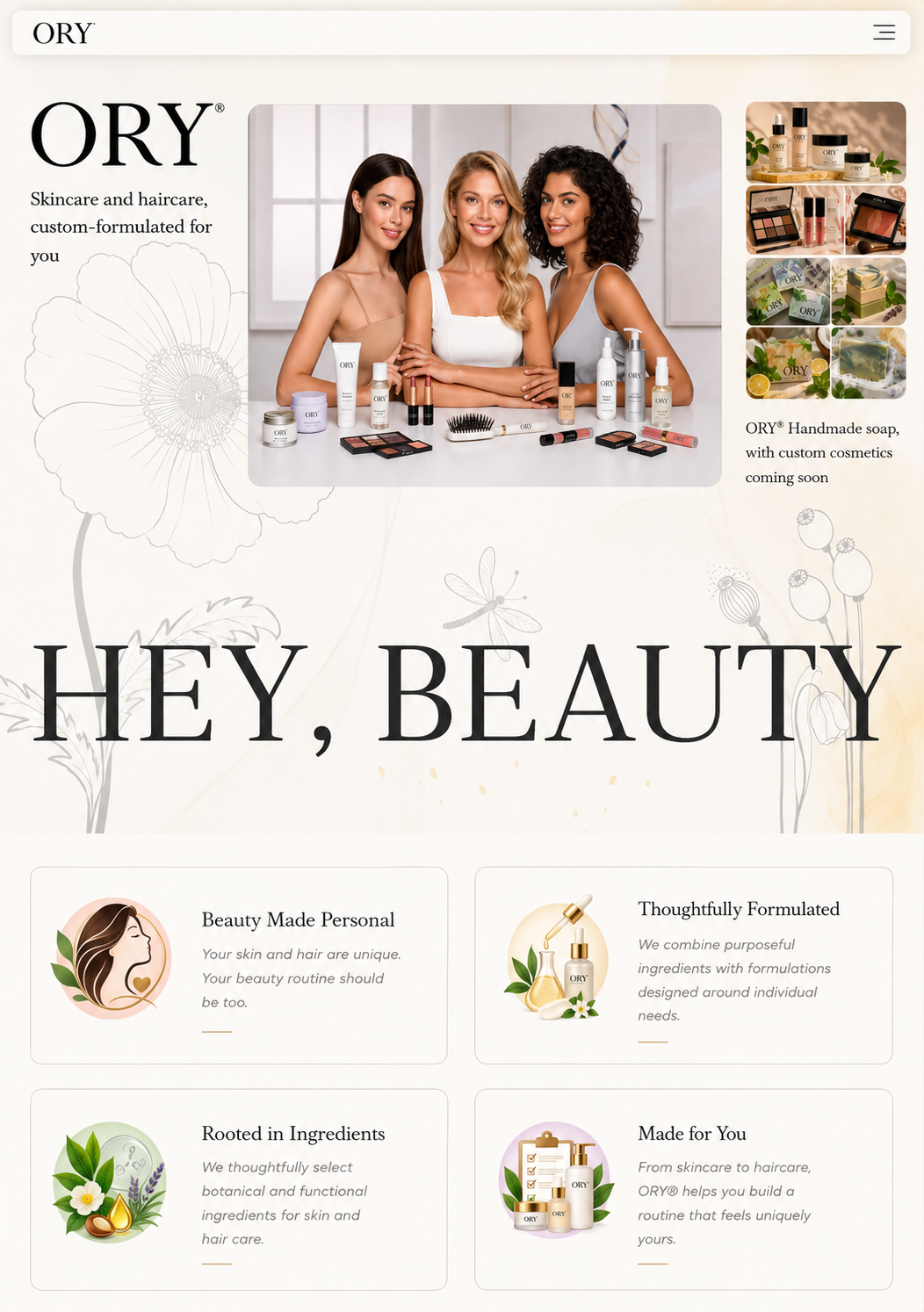
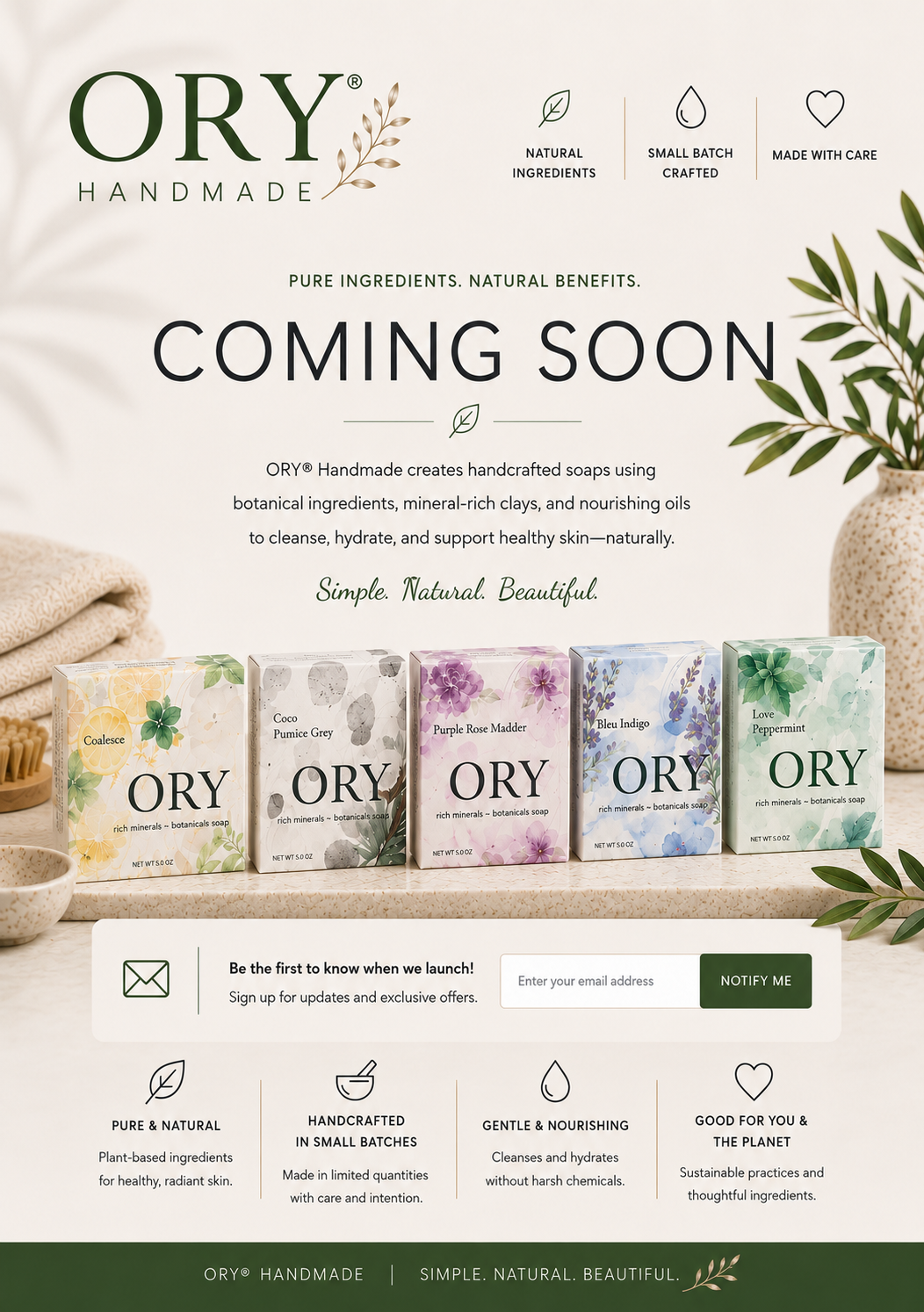
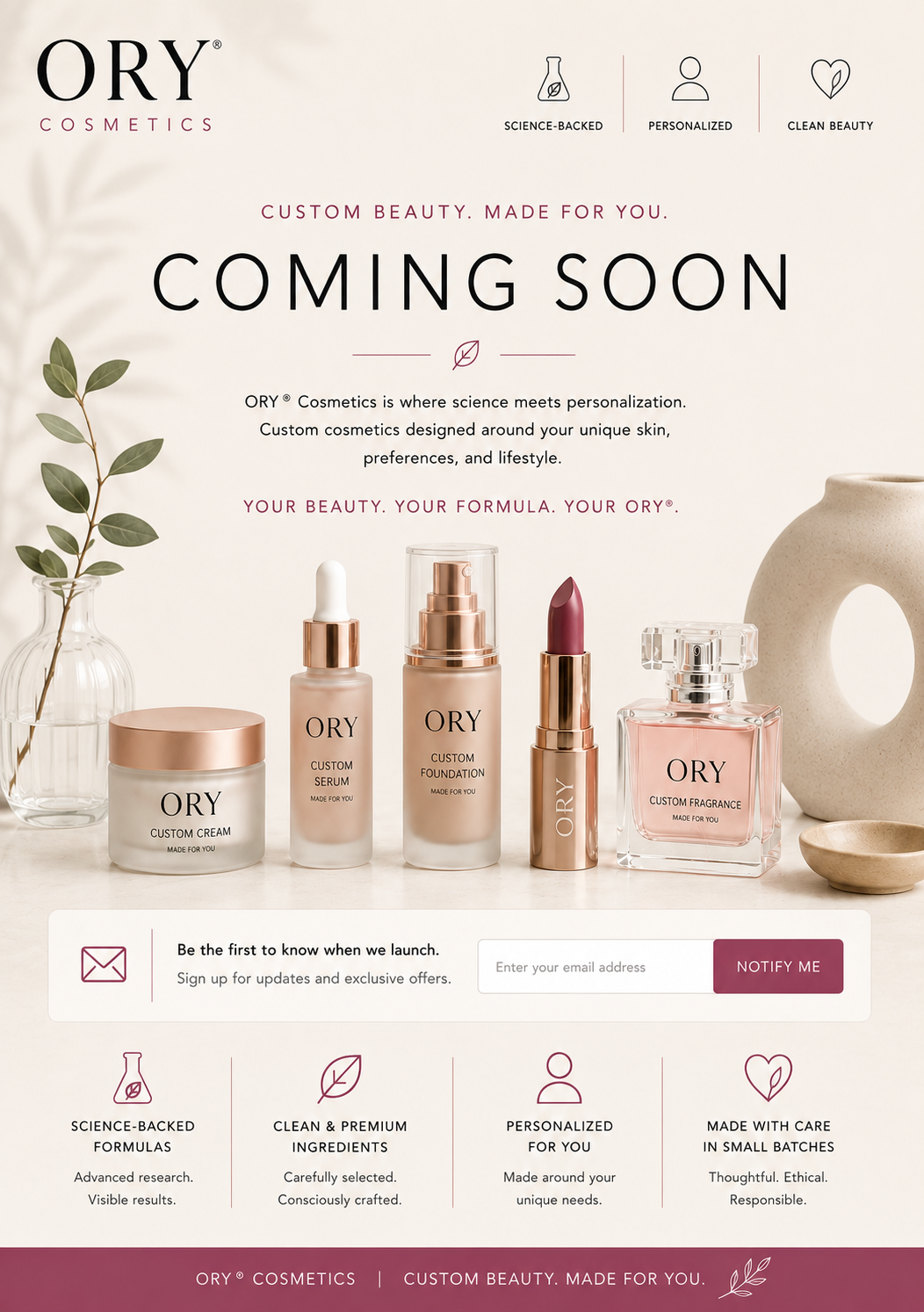

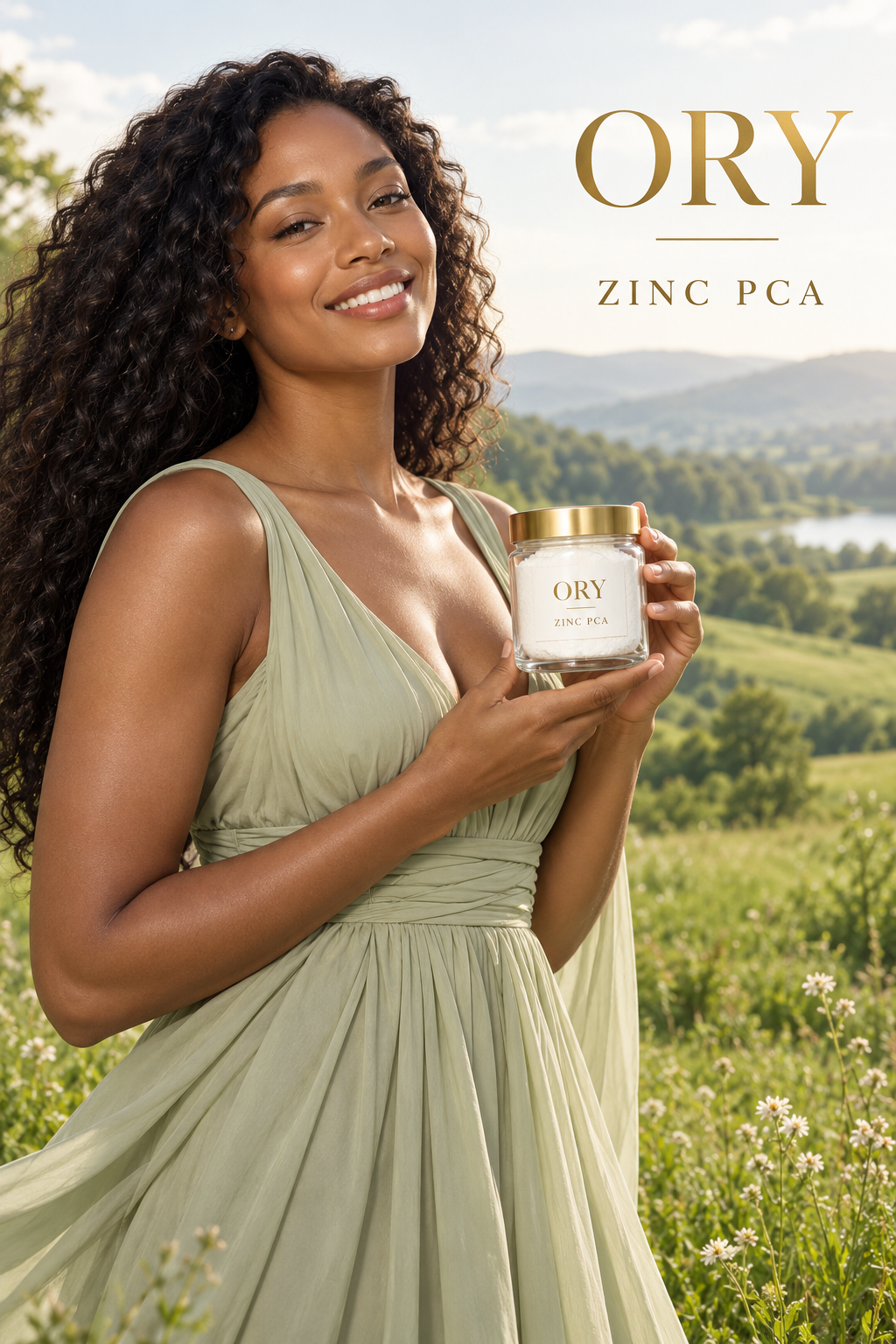
ORY® product lines:
☑ Skincare (oily and acne-prone)
☑ Haircare (oily scalp, flake support)
◐ Handmade Soap (syndet/liquid; forms insoluble zinc soaps in cold process)
☑ Cosmetics (mattifying) — dual-use ingredient
Zinc PCA marries two skin-native components: zinc, the trace mineral essential to sebaceous regulation, wound healing, and antimicrobial defense, and PCA (pyroglutamic acid), the skin’s most abundant natural moisturizing factor. The result is a water-soluble salt that controls oil and inhibits acne bacteria while hydrating — unusual for a sebum-regulating ingredient. Zinc PCA inhibited the UVA-induced collagen-degrading enzyme MMP-1 and enhanced collagen synthesis in cultured human skin fibroblasts [1], and zinc’s dermatological roles in sebum reduction, anti-inflammatory action, and antimicrobial activity against Cutibacterium acnes are well reviewed [2]; the PCA component is reviewed as safe by the Cosmetic Ingredient Review Panel [3]. On the scalp it balances oil and supports flake control. Because zinc ions react with soap to form insoluble zinc soaps, it is used in syndet and liquid cleansers rather than cold-process bars.
What is Zinc PCA made of?
Zinc PCA is produced by neutralizing L-pyroglutamic acid (from fermented glutamic acid) with zinc oxide, giving a white, water-soluble powder. Points to know [1–3]:
- Zinc ion (~20% by weight): 5α-reductase and sebum-production modulation, antimicrobial, anti-inflammatory, wound-healing cofactor [2].
- PCA anion: Skin-identical NMF humectant; hydrates while zinc controls oil [3].
- Water-soluble; pH 4–7; heat-stable; compatible with most surfactants and non-ionic systems.
- Incompatibilities: Reacts with soap (fatty-acid salts), some anionic polymers (carbomer), and high-phosphate systems; can precipitate.
- Typical use: 0.1–1% skincare; 0.2–1% haircare; 0.1–0.5% cosmetics.
What skin type is best suited for Zinc PCA?
Zinc PCA suits oily, combination, and acne-prone skin best, with hydration for all:
- Oily: The core use — zinc reduces sebum while PCA hydrates.
- Acne-prone: Antimicrobial against acne bacteria and anti-inflammatory [2]; supports healing.
- Combination: T-zone oil control without drying cheeks.
- Normal: Mattifying maintenance and antioxidant/MMP protection [1].
- Mature: Inhibits UVA-induced MMP-1 and boosts collagen in fibroblasts [1].
- Sensitive: Non-irritating at use levels; patch test.
- Dry: Low levels; PCA hydrates, but sebum control is not needed.
What hair type is best suited for Zinc PCA?
Zinc PCA balances oily scalps and supports flake control:
- Oily scalp: The core use — sebum regulation in shampoos and tonics.
- Dandruff-prone scalp: Zinc antimicrobial support (note: zinc PCA is not zinc pyrithione, the dandruff-monograph active) — cosmetic flake support.
- Mature or thinning: Zinc’s 5α-reductase modulation supports a balanced scalp environment (cosmetic claims).
- Sensitive scalp: Hydrating PCA; low irritation.
- Straight, wavy, curly, coily: Scalp-balancing shampoos and tonics for all.
- Dry or damaged, color-treated: Scalp-focused; neutral for the fiber.
What are the benefits of Zinc PCA?
Zinc PCA’s benefits are supported by fibroblast, dermatological-review, and safety literature [1–3]:
- Sebum control: Zinc modulates sebaceous activity [2].
- Antimicrobial: Inhibits C. acnes and scalp microbes [2].
- Anti-inflammatory: Calms acne and scalp irritation [2].
- Collagen protection: Inhibited UVA-induced MMP-1 and enhanced collagen synthesis in fibroblasts [1].
- Hydration: PCA is the skin’s most abundant NMF humectant [3].
- Mattifying: Reduces shine without dryness.
- Wound-healing support: Zinc cofactor [2].
- Scalp balance: Oil and flake support.
Dual use across ORY® product lines
Zinc PCA serves skincare, haircare, and cosmetics; in the soap line it works only in syndet and liquid products because zinc precipitates with soap.
| ORY® line | Dual use? | How it is used | Typical level |
|---|---|---|---|
|
ORY® Skincare |
Yes |
Oil-control serums and toners, acne cleansers and moisturizers, mattifying creams, anti-aging serums (MMP protection). |
0.1–1% |
|
ORY® Haircare |
Yes |
Oily-scalp shampoos and conditioners, scalp tonics, flake-support products. |
0.2–1% |
|
ORY® Handmade Soap |
Limited |
Syndet bars and liquid cleansers for oily skin/scalp; not cold-process bars (insoluble zinc soaps). |
0.2–0.5% |
|
ORY® Cosmetics |
Yes |
Mattifying primers and foundations, oil-control setting sprays, blemish-friendly concealers. |
0.1–0.5% |
Pros and cons of Zinc PCA
Pros
Cons
- Oil control plus hydration: Rare combination.
- Antimicrobial and anti-inflammatory: [2].
- Collagen-protective fibroblast data: [1].
- Water-soluble, stable: Easy to formulate.
- Skin and scalp: Acne and oily-scalp care.
- Not zinc pyrithione: No dandruff-drug claims; cosmetic flake support only.
- Precipitation: Incompatible with soap, carbomer, phosphates.
- Limited human clinical trials: Evidence is fibroblast and zinc-class review data.
- Metallic feel at high %: Keep ≤1%.
- Cold-process incompatibility: Syndet/liquid only.
What is the best application of Zinc PCA?
Zinc PCA is built into oil-control and scalp-balancing products:
- Oil-control serum or toner: 0.5–1% with niacinamide and salicylic acid.
- Acne moisturizer: 0.5% with allantoin.
- Anti-aging serum: 0.3% with vitamin C derivatives (MMP protection) [1].
- Oily-scalp shampoo or tonic: 0.5–1%.
- Syndet cleansing bar: 0.3–0.5%.
- Cosmetics: 0.3% in mattifying primer.
Peer-reviewed references
- Takino Y, Okura F, Kitazawa M, Iwasaki K, Tagami H. Zinc L-pyrrolidone carboxylate inhibits the UVA-induced production of matrix metalloproteinase-1 by in vitro cultured skin fibroblasts, whereas it enhances their collagen synthesis. International Journal of Cosmetic Science. 2012;34(1):23–28.
- Gupta M, Mahajan VK, Mehta KS, Chauhan PS. Zinc therapy in dermatology: a review. Dermatology Research and Practice. 2014;2014:709152.
- Andersen FA (Cosmetic Ingredient Review Expert Panel). Final report on the safety assessment of PCA (pyrrolidone carboxylic acid) and sodium PCA. International Journal of Toxicology. 1999;18(Suppl 2):25–34.
Disclaimer:
The information on this page is provided by ORY International, LC for educational purposes only. It summarizes published research about zinc PCA as an ingredient, including laboratory and animal studies and clinical studies of formulas that may differ from ORY® products. Results from these studies may not apply to every person or to ORY® products. This page is not medical advice and does not replace advice from a dermatologist, physician, or other qualified healthcare provider.
ORY® Skincare, Haircare, Handmade Soap, and Cosmetics products are cosmetics. They are not intended to diagnose, treat, cure, mitigate, or prevent any disease or condition, including acne, dandruff, seborrheic dermatitis, wounds, or any other condition. References to FDA or Cosmetic Ingredient Review (CIR) findings describe the ingredient, not ORY® products, and do not mean FDA has reviewed or approved any ORY® product.
Results vary by skin and scalp type, formulation, and use. Zinc PCA is rarely irritating at use levels. Any cosmetic can cause irritation, sometimes from other ingredients. Always patch test, follow label directions, and stop use if irritation occurs. If you are pregnant, nursing, have a medical condition, or are buying for a child, consult a healthcare provider before use.
ORY International, LC works to keep this page accurate and current but makes no warranty as to its completeness. To the fullest extent permitted by law, ORY International, LC is not liable for any loss or injury arising from reliance on this information or from use of any product contrary to its label directions. To report a reaction, contact us at [insert contact email / phone].